How Many Hyperbaric Oxygen Therapy Sessions Do You Need?
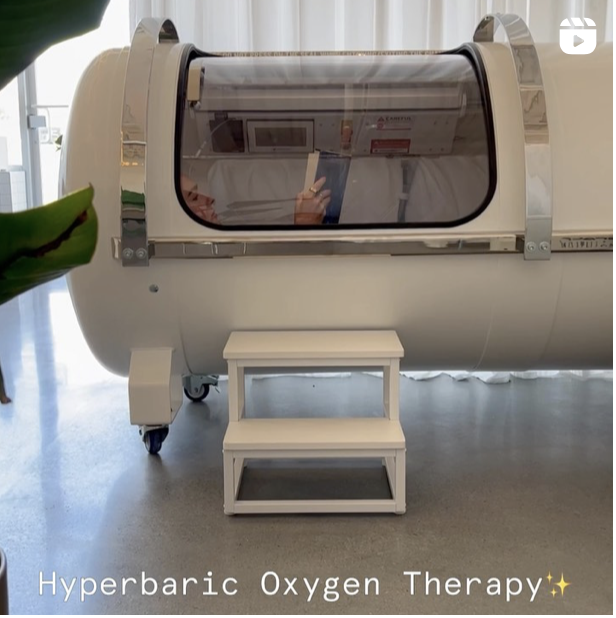
How many hyperbaric oxygen therapy sessions do I need? For most first-time guests, the honest answer is not a universal number. Session count depends on your goal, health history, response to treatment, and the guidance of a qualified provider. One visit can help you understand the experience, while a consistent plan may make more sense for ongoing recovery or wellness goals.
Explore HBOT sessions at ETHR LAB in Oakbrook Terrace
This first-timer guide explains how to think about frequency without turning a general wellness article into a medical prescription. For the broader context on hyperbaric oxygen therapy, recovery, benefits, and cost, read ETHR LAB’s hyperbaric oxygen therapy guide.
The HBOT Session Question: Is One Enough?
One HBOT session can be enough to learn how your body responds and whether the chamber experience fits your routine, but it rarely answers every question about a longer-term plan. The right number depends on why you are considering hyperbaric oxygen therapy, the protocol available to you, and how your provider evaluates comfort and response over time.
A single session is useful when you want to:
- Understand how pressurization and depressurization feel.
- Practice equalizing ear pressure in a supervised setting.
- See whether the appointment length works with your schedule.
- Discuss your goals with the ETHR LAB team before choosing a recurring plan.
One appointment should not be treated as a test that proves or disproves every possible benefit. Some people notice how relaxed they feel afterward. Others are more interested in how a series fits with training, recovery, or a wellness routine. A first visit gives you practical information, not a guaranteed outcome.
For medically indicated HBOT, the schedule is different. The Undersea and Hyperbaric Medical Society explains that hyperbaric treatment should be prescribed and supervised by qualified physicians, with treatment frequency and duration determined for the individual and the condition. A wellness-oriented visit at ETHR LAB should not be confused with a physician-directed medical course.
Protocol Recommendations by Goal
There is no single session count for every HBOT goal. Medical conditions can require a physician-directed series, while wellness and recovery guests may discuss a more flexible schedule based on goals, availability, and response. Think in terms of a starting plan, a review point, and a decision about whether continuing is worthwhile.
These broad categories can help you prepare for a conversation:
| Goal | Planning question | What to track |
|---|---|---|
| First experience | Does one session feel comfortable and practical? | Ear comfort, relaxation, schedule fit |
| Exercise recovery | Would a consistent rhythm fit around training and rest? | Recovery routine, training load, sleep, comfort |
| General wellness | What outcome would make a recurring plan useful? | Personal goals, energy, routine consistency |
| Medical condition | What schedule has the treating physician prescribed? | Clinical measures and provider follow-up |
Why the number can vary so much
Medical HBOT schedules are tied to the condition being treated and the person’s clinical response. The Mayo Clinic notes that some conditions may involve only a few sessions, while nonhealing wounds may require 40 treatments or more. That range is a reminder not to copy someone else’s number and assume it applies to you.
Research can also describe a specific protocol for a specific population without making that protocol appropriate for general wellness. For example, a 2024 article indexed in PubMed Central discusses 40 or more sessions in the context of traumatic brain injury research. That is not a general recommendation for first-time guests. Your goal, medical history, and provider guidance matter more than a number found in a search result.
How often are sessions scheduled?
Some physician-directed protocols are scheduled on consecutive days, often around a clinical treatment plan. A wellness guest may have more flexibility, but consistency still matters if the goal is to evaluate a routine rather than a one-off experience. Ask how often the provider recommends visiting, when progress should be reviewed, and what would signal that the plan should change.

What Happens After Your First Session?
After your first session, pay attention to comfort, how you feel during the rest of the day, and whether the appointment fits your schedule. A first visit is a chance to gather observations and questions for the next conversation. It is not a reason to increase frequency on your own or promise a particular result.
Use a simple post-session check-in:
- Record the basics: note the session date, approximate duration, and any pressure or ear sensations.
- Notice your immediate response: pay attention to comfort, energy, relaxation, or anything unusual without assuming the session caused every change.
- Follow preparation guidance: use the provider’s instructions for hydration, meals, medications, and returning to normal activity.
- Ask before repeating: discuss any discomfort, congestion, medication changes, or new symptoms before the next session.
- Set a review point: decide what you want to learn from a short series before committing to a longer program.
Pressure-related ear discomfort, sinus symptoms, or anxiety in an enclosed space deserve a conversation with the provider. The Mayo Clinic lists ear and sinus pressure, temporary vision changes, and other possible side effects, and notes that risk can increase with longer or repeated treatment. Tell the team what you are experiencing instead of pushing through a problem.
Seek urgent medical care for serious symptoms or an emergency. HBOT content cannot diagnose a condition or replace your physician’s instructions.
Building a Program at ETHR LAB
Building an HBOT routine at ETHR LAB starts with a clear purpose rather than a preset promise. The team can talk through what you want from the experience, how a session fits into your week, and what questions to bring to a qualified provider. The plan should remain easy to understand and easy to adjust.
A practical program conversation covers:
- Your starting point: whether you are completely new to HBOT or have used a chamber before.
- Your goal: recovery support, performance routine, relaxation, or another clearly stated wellness objective.
- Your schedule: the days and times you can attend consistently without creating extra stress.
- Your feedback: what felt comfortable, what did not, and what you want to assess next.
- Your boundaries: when a medical question should go back to your physician instead of being handled as a general wellness decision.
ETHR LAB’s approach is designed for people who want advanced recovery technology in a modern wellness setting, not a one-size-fits-all claim. Use the initial appointment to ask about the chamber, session length, preparation, and available booking options. Then decide whether a recurring plan supports your actual routine.
For a helpful explanation of the chamber experience itself, visit ETHR LAB’s local HBOT guide. For independent medical background, the Cleveland Clinic overview of hyperbaric oxygen therapy explains typical session length and common safety considerations.
Trial Session vs. Membership: Which Makes Sense?
A trial session and a membership answer different questions. A trial is a low-commitment way to experience the chamber and decide whether the appointment fits. A membership or recurring plan may make sense when you have a clear goal, can attend consistently, and understand what you want to evaluate over several visits.
| Consideration | Trial session | Recurring program |
|---|---|---|
| Best for | Learning the experience | Building a consistent routine |
| Main question | Is HBOT comfortable and practical for me? | Does a planned cadence support my stated goal? |
| Commitment | One appointment | Multiple appointments over an agreed period |
| Next step | Review your experience with the team | Track your goal and reassess at a defined point |
Choose a trial when you are still learning what the chamber feels like or whether the appointment works with your day. Consider a recurring option only after you understand the schedule, terms, and goal you are pursuing. No package can guarantee a result, and a membership should never replace medical care for a diagnosed condition.
The best answer to “how many hyperbaric oxygen therapy sessions do I need” is a plan you can explain: why you are going, how often you will attend, what you are watching for, and when you will review the decision. That is a stronger starting point than choosing a number because it sounds common online.
Book your HBOT consultation and choose your next step at ETHR LAB
Frequently Asked Questions About HBOT Sessions
How many HBOT sessions do beginners usually need?
Beginners do not all need the same number of sessions. One appointment can help you learn how the chamber feels and whether the schedule fits, while a recurring plan should be based on your goal, response, and provider guidance. Physician-directed medical courses follow condition-specific protocols.
Is one hyperbaric oxygen therapy session enough?
One session can be enough to evaluate comfort and logistics, but it cannot predict every outcome from a longer course. Ask what you should observe after the visit and when the provider recommends reviewing whether additional sessions make sense.
How often should you do HBOT?
Frequency depends on the reason for treatment and the protocol being used. Medical HBOT may be scheduled on consecutive days under physician oversight. Wellness guests should discuss a realistic cadence with the provider and avoid increasing frequency without guidance.
Can you do HBOT every day?
Some medical protocols use daily treatment, but daily sessions are not automatically right for every person or goal. A qualified provider should consider health history, pressure tolerance, treatment purpose, and any symptoms before recommending a schedule.
When should you stop or change an HBOT plan?
Pause and ask the provider for guidance if you have persistent ear or sinus pain, unusual symptoms, difficulty equalizing pressure, or a change in health status. A plan should also be reassessed when it is not helping you pursue a clearly defined goal or no longer fits your needs.
What should I ask before booking multiple sessions?
Ask what the session includes, how long it lasts, how the provider screens for safety, what cadence is suggested for your goal, what feedback to track, and when the plan will be reviewed. If you have a medical diagnosis, ask your treating physician how HBOT fits with your care.
A Clear Starting Point for Your First HBOT Visit
Start with your goal, not a borrowed number. A first session can show you how the chamber feels, and a thoughtful follow-up conversation can help you decide whether a consistent routine is appropriate. ETHR LAB can help you understand the booking experience and next steps, while medical questions and condition-specific treatment decisions belong with a qualified physician.
For more background, review the Undersea and Hyperbaric Medical Society’s HBOT indications and the MedlinePlus overview of hyperbaric oxygen therapy. Use those sources to prepare better questions, then choose a plan that is clear, realistic, and aligned with your own needs.