Hyperbaric Oxygen Therapy for Inflammation: Evidence
Hyperbaric oxygen therapy for inflammation may influence inflammatory signaling and tissue oxygenation, but research does not show that it is a universal cure for chronic inflammation. HBOT is best understood as a monitored therapy that may support healing and recovery in specific contexts, with results depending on the condition, protocol, and individual.
Explore hyperbaric oxygen therapy at ETHR LAB
Inflammation is part of the body’s defense system, not a problem that should always be shut down. The useful question is more specific: what is driving the response, how long has it lasted, and could improved oxygen delivery or tissue repair support the recovery process? Here is what the science says about HBOT, what remains uncertain, and how to approach the topic responsibly.
What Causes Chronic Inflammation?
Chronic inflammation is a prolonged immune response that can continue after an immediate threat has passed. It may involve ongoing irritation, infection, metabolic stress, autoimmune activity, tissue injury, or another health condition. Because the cause matters, a wellness service cannot diagnose the source or replace medical evaluation.
Acute inflammation is often short-term and protective. It helps the body respond to an injury or infection. Chronic inflammation is different because the signal persists or repeatedly returns. Over time, inflammatory messengers can affect surrounding tissue and contribute to fatigue, pain, swelling, or changes in how an injured area functions. Those symptoms have many possible causes, so they should not be used to self-diagnose.
Before considering any recovery therapy, look at the basics:
- Timing: Did symptoms begin after an injury, illness, procedure, or change in routine?
- Pattern: Is the response localized, widespread, intermittent, or steadily worsening?
- Medical context: Are medications, an autoimmune diagnosis, diabetes, infection, or another condition involved?
- Recovery inputs: Are sleep, nutrition, movement, stress, and hydration supporting healing?
HBOT may be discussed as one part of a larger recovery plan, but the goal is not to label every ache or tired day as inflammation. A clear medical context leads to safer decisions and more useful conversations.
How Does Hyperbaric Oxygen Therapy Affect Inflammatory Signaling?
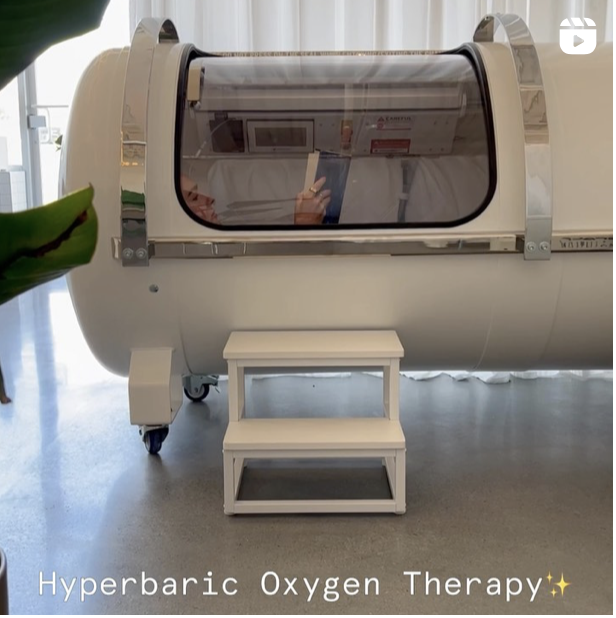
Hyperbaric oxygen therapy places a person in a pressurized chamber while they breathe oxygen. The change in pressure increases oxygen availability in blood and tissues, which may influence swelling, blood vessel behavior, immune signaling, and tissue repair. The response is not simply “more oxygen is always better,” and the protocol matters.
Researchers have proposed several ways HBOT may interact with inflammation:
- Oxygen delivery: Increased dissolved oxygen can reach areas where circulation or tissue oxygenation is limited.
- Swelling and blood flow: Pressure and oxygen changes may affect local blood vessel behavior, including temporary vasoconstriction that can reduce edema in some settings.
- Cell signaling: Intermittent hyperoxia may influence pathways involved in cytokines, oxidative stress, and the NF-kB inflammatory response.
- Tissue repair: Oxygen availability supports processes involved in collagen formation, new blood vessel signaling, and wound healing.
- Immune balance: HBOT may alter immune activity rather than simply suppressing it, which is why findings differ by disease and protocol.
A 2021 review in Biomolecules found that published studies often reported lower pro-inflammatory markers after repeated HBOT sessions, while also noting short-lived oxidative or inflammatory responses after some sessions. That distinction is important. HBOT can create a controlled biological stress response, and the body may adapt to it. The outcome is not guaranteed and should not be reduced to a single “anti-inflammatory” promise.

What Does Research Say About HBOT and Inflammation?
The research suggests that HBOT can affect inflammatory and oxidative stress markers in some settings, but it does not prove one universal treatment for inflammation. Reviews describe plausible mechanisms and repeated marker changes, while smaller human studies show that results can depend on exercise, injury, disease, pressure, oxygen exposure, timing, and the number of sessions.
The strongest way to read this evidence is to separate biological signals from clinical outcomes:
| Evidence type | What it may show | What it cannot prove alone |
|---|---|---|
| Laboratory and mechanism studies | How pressure and oxygen may affect cells, blood flow, and signaling pathways | That every person will experience less pain or faster recovery |
| Reviews of human studies | Patterns in markers such as cytokines, acute phase proteins, and oxidative stress measures | One ideal protocol for every condition |
| Small clinical or exercise studies | How HBOT may affect a defined group under a defined protocol | Broad results for autoimmune disease or all chronic inflammation |
| Patient symptoms and function | Whether a person feels or performs better over time | Whether HBOT alone caused the change |
For example, a pilot study of 18 healthy men examined HBOT after strenuous exercise and reported changes in selected inflammatory and muscle-damage markers. The study was small and focused on a specific exercise protocol, so it is more useful as a research signal than as proof for every person with persistent inflammation. The authors’ findings are available through the full pilot study.
Other reviews also point out that HBOT research includes different populations, treatment schedules, chamber pressures, oxygen exposures, and outcome measures. A lower laboratory marker does not automatically mean a chronic disease is resolved. Good content should keep both facts in view: the biology is promising enough to study, and the clinical conclusions remain condition-specific.
For readers who want a broader foundation, ETHR LAB’s hyperbaric oxygen therapy guide covers the service and recovery context. This article adds a narrower evidence lens rather than repeating the full guide.
Can HBOT Treat Autoimmune or Chronic Conditions?
HBOT should not be presented as a stand-alone cure for an autoimmune disease or an unexplained chronic condition. Some conditions have medically recognized HBOT indications, while others remain areas of active research. A person’s diagnosis, medications, infection risk, lung health, ear health, and treatment history all matter when a clinician considers suitability.
For autoimmune and chronic conditions, the responsible framing is supportive and specific:
- Ask the treating clinician whether HBOT is appropriate for the diagnosed condition.
- Share a full medication and health history before scheduling a session.
- Do not stop prescribed medication or replace a treatment plan with wellness content.
- Separate a study result from a proven indication. Research in one disease or population may not apply elsewhere.
- Track function, symptoms, and recovery with a qualified professional rather than relying on a single biomarker.
This is also why language such as “may support recovery” is more accurate than “flushes inflammation” or “resets the immune system.” The first describes a possibility that can be discussed. The second implies a universal medical result that the evidence does not establish.
How Many HBOT Sessions May Help With Inflammation?
There is no evidence-based session count that applies to everyone searching for hyperbaric oxygen therapy for inflammation. The number and spacing of sessions depend on the reason for treatment, clinical screening, the protocol used, how the person responds, and whether the goal is medical care or general wellness support.
Before accepting a fixed package or repeating a protocol, ask:
- What is the goal? Define whether the focus is recovery after activity, tissue healing, symptom support, or another specific outcome.
- What evidence applies? Ask whether the supporting study involved the same condition, population, and type of chamber.
- How will progress be measured? Choose practical markers such as function, mobility, recovery time, or symptom tracking, not just a promise about inflammation.
- When should the plan change? Set a point for reassessment with a qualified professional if symptoms persist, worsen, or change.
A session plan should be a conversation, not a guarantee. More sessions are not automatically better, and repeating treatment without checking the underlying problem can delay more appropriate care.
What Should You Ask Before Exploring HBOT at ETHR LAB?
ETHR LAB is a regenerative, cutting-edge wellness and aesthetics center in Oakbrook Terrace, Illinois, not a substitute for a hospital or personal medical provider. Someone exploring HBOT for recovery can use a visit to clarify the experience, screening process, chamber setup, and how the service fits alongside care they already receive.
Useful questions include:
- What should I share about my health history, medications, ears, lungs, or recent procedures before a session?
- What does the session experience feel like from start to finish?
- Which goals are appropriate to discuss as wellness or recovery support?
- What symptoms or changes should prompt me to contact my medical provider?
For practical safety questions, review ETHR LAB’s guide to hyperbaric oxygen therapy risks and side effects. It is also helpful to keep expectations grounded: an HBOT session may be one recovery input, not a replacement for diagnosis, prescribed treatment, sleep, movement, or nutrition.
If you are in the Oakbrook Terrace area and want to explore the service, start with the Oakbrook Terrace hyperbaric oxygen therapy guide and review the booking information before choosing a session.
See the ETHR LAB HBOT service and book online
Frequently Asked Questions
Does hyperbaric oxygen therapy reduce inflammation?
Hyperbaric oxygen therapy may influence inflammatory signaling and selected inflammatory markers in some settings, but it is not proven to reduce every type of inflammation or cure a chronic condition. The result depends on the diagnosis, protocol, and individual response.
How many HBOT sessions are needed to reduce inflammation?
No single session count is established for all inflammation concerns. A qualified professional should connect the number and timing of sessions to the treatment goal, health history, evidence for the condition, and measurable response.
Can HBOT treat autoimmune disease?
HBOT should not be treated as a universal autoimmune disease treatment. Some applications are medically recognized and others are still being studied. Anyone with an autoimmune diagnosis should discuss suitability with the clinician managing that condition.
Is hyperbaric oxygen therapy safe?
HBOT is generally performed with screening and monitoring, but it can have risks such as ear or sinus pressure, temporary vision changes, oxygen-related complications, and anxiety in enclosed spaces. Review personal risks with a qualified provider before a session.
Can I explore HBOT for wellness at ETHR LAB?
Yes, people can review ETHR LAB’s hyperbaric oxygen therapy information and booking path for a wellness or recovery conversation. The service does not replace diagnosis or treatment from a personal medical provider, especially when symptoms are persistent or worsening.