NanoVi Oxidative Stress Therapy: Recovery Guide
Recovery is not only about pushing harder. It also depends on how your body manages the everyday demands of energy production, training, stress, and environmental exposure. That is where oxidative stress enters the conversation.
Book NanoVi oxidative stress therapy online.

NanoVi oxidative stress therapy is a wellness service designed to support a recovery-focused routine through a technology-based approach to cellular communication. It is not a cure or guarantee, but it may be one option for people exploring modern ways to recharge and support overall well-being.
To understand where NanoVi may fit, it helps to start with the underlying concept: the balance between free radicals and antioxidants. This balance matters because it connects to the body’s normal recovery processes. ETHR LAB’s recovery and longevity technologies are part of that broader wellness conversation.
What Is Oxidative Stress and Why Does It Matter?
Oxidative stress describes a balance issue inside the body. It can develop when free radicals outnumber the antioxidants available to help regulate them, creating conditions that may contribute to cell damage. That does not mean free radicals are automatically harmful. They are part of normal biology, and the body produces them while converting food into energy. They also support immune-system activity and other essential processes.
The balance between free radicals and antioxidants
Free radicals are unstable molecules that can react with parts of cells. In the right context, that reactivity is useful. The concern is excess activity without enough antioxidant protection. Antioxidants help protect the body from damage associated with excessive free radicals, helping maintain a more balanced internal environment.
Oxidative stress may affect cell components such as lipids, or fats, and proteins. Those components help cells maintain their structure and perform everyday work. When they are disrupted, the issue is not simply an abstract laboratory concept. It can influence how well cellular systems manage routine demands, including the demands associated with physical activity and recovery.
What can contribute to oxidative stress?
Oxidative stress is shaped by more than one factor. Common contributors discussed in health education include:
- Normal energy production and oxygen use inside cells.
- Cigarette smoke and other environmental irritants.
- Daily exposure to substances that place additional demands on the body’s protective systems.
- Nutrition and overall lifestyle context, which can influence antioxidant availability.
Food is one practical part of that context. Cleveland Clinic notes that foods rich in antioxidants may help reduce oxidative stress. A varied eating pattern that includes fruits, vegetables, whole grains, nuts, seeds, herbs, and spices can support general wellness, but nutrition is not a substitute for individualized medical guidance.
Why it matters for recovery
Recovery requires the body to manage normal metabolic demands while responding to exercise, stress, and everyday activity. Understanding oxidative stress helps explain why recovery is better viewed as a whole-person process rather than a single switch to turn off. It also helps set realistic expectations for any wellness technology. A service may be designed to support a recovery-focused routine, but it should not be presented as diagnosing, treating, or curing oxidative stress or a disease.
For readers exploring nanovi oxidative stress therapy, this balance is the starting point. The goal is not to eliminate every free radical. It is to understand the biology clearly and consider supportive wellness choices within a broader routine.
Learn more about oxidative stress, free radicals, and antioxidants from Cleveland Clinic.
How NanoVi Oxidative Stress Therapy Technology Works
NanoVi is built around a proposed cellular-signaling model, not a claim that oxidative stress can be switched off with a single session. To understand the idea, start with proteins. A protein begins as a chain of amino acids, then folds into a specific three-dimensional shape. That shape helps determine how the protein functions. Researchers describe protein folding as a central step in the life of a protein, although folding inside living cells is a complex process influenced by many factors. This review of protein folding provides the scientific background.
NanoVi materials describe the device as delivering a bio-identical signal associated with the body’s natural cellular activity. The proposed model is that the signal is delivered through humidified air while a person breathes normally. According to that model, the signal is intended to support the protein-folding step, which proponents connect to the way cells respond to oxidative stress and reactive oxygen species.
That explanation needs an important qualifier. The protein-folding concept is grounded in established biology, but the leap from that biology to specific outcomes from NanoVi is a proposed wellness mechanism. Descriptions of the device’s signal, delivery method, and intended effect come from NanoVi-related materials, not from a finding that NanoVi treats, cures, or prevents a medical condition. A mechanism that sounds plausible is not the same as proof of a clinical result.
What the mechanism may mean in practical terms
For a wellness reader, the most accurate way to think about NanoVi oxidative stress therapy is as a non-invasive technology designed around cellular recovery and signaling. It is not a replacement for sleep, nutrition, movement, medical care, or treatment of an underlying condition. It also should not be used to diagnose oxidative stress based on how someone feels after a visit. Oxidant activity can involve different effects in different parts of the body, and simple measurements may combine signals that do not all mean the same thing.
- Established background: proteins must fold into functional shapes, and oxidative processes are active areas of biological research.
- Proposed model: NanoVi-related descriptions connect a delivered signal with protein-folding support and cellular activity.
- Reasonable conclusion: NanoVi may be considered a wellness and recovery experience, not a guaranteed medical outcome.
This distinction keeps the technology in perspective. ETHR LAB presents NanoVi as part of a broader, performance-minded wellness menu in Oakbrook Terrace. The goal is to explore a modern recovery tool with realistic expectations and an understanding of what current evidence can, and cannot, establish.
Who Uses NanoVi and For What Goals?
NanoVi may appeal to people who are curious about advanced wellness technology and want a more intentional recovery routine. The conversation does not have to begin with a diagnosis, a competition schedule, or a single problem to solve. It can begin with a practical question: how could a guided wellness experience support the way you want to recover, recharge, or show up for the week ahead?
Recovery after an active lifestyle
Some people explore NanoVi after demanding workouts, travel, long workdays, or periods when their usual routine feels harder to maintain. In that context, the goal is often to make recovery a planned part of life rather than something left to chance. NanoVi oxidative stress therapy can be discussed as one wellness option within that broader routine, without promising a specific outcome or replacing sleep, movement, nutrition, or appropriate medical care.
Recharge and everyday well-being
Others are interested in a reset that fits a proactive approach to well-being. They may be building habits around better energy management, stress awareness, or more consistent self-care. ETHR LAB frames its wellness services around recovery, recharge, performance optimization, proactive health, and well-being. So the focus is on the person’s goals and experience rather than on assigning a medical label. A conversation can help clarify what someone hopes to get from a session and whether the service fits their current priorities.
Performance-focused routines, not just athletes
Performance can mean preparing for training, staying engaged through a demanding schedule, or simply wanting to feel more capable in everyday life. Athletes may be part of the audience, but they are not the only audience. This article takes a wider view than ETHR LAB’s NanoVi athlete recovery feature, which centers on an elite-performance angle. Here, the emphasis is on understanding the technology and choosing a wellness goal that feels realistic and personal.
For readers new to this space, ETHR LAB’s guide to guided wellness technologies offers a broader framework for thinking about technology, habits, and informed experimentation. NanoVi should be approached as a wellness service, not as a guaranteed treatment or a substitute for evaluation by a qualified healthcare professional when medical concerns are involved.
How NanoVi Oxidative Stress Therapy May Fit a Recovery Routine
A recovery routine works best when each service has a clear role. NanoVi oxidative stress therapy may appeal to readers interested in a gentle, technology-forward wellness experience, while other options are often chosen for a more defined sensory or environmental experience. The goal is not to stack every modality. It is to choose an approach that matches what you want from the visit and how it fits your broader habits.
That context matters because oxidative stress is not a simple on-or-off condition. The body naturally produces free radicals while converting food into energy, and free radicals also support immune and other essential processes. Antioxidants help protect against damage associated with excessive free radicals, but lifestyle context still matters. Nutrition, sleep, movement, and exposure to environmental irritants remain part of the bigger picture. Cleveland Clinic explains the balance between free radicals and antioxidants, while academic researchers emphasize that oxidant signaling and oxidative damage can involve different processes and locations in the body. The research remains an active area of study.
| Option | Primary reader goal | Session experience | Decision lens |
|---|---|---|---|
| NanoVi | Explore a non-invasive, technology-centered wellness option related to oxidative stress education. | Designed around a calm, low-impact experience rather than intense heat, cold, or pressure. | Choose it when the technology and overall comfort of the experience fit your routine. |
| PEMF | Build a recovery routine around a pulsed electromagnetic field experience. | Typically approached as a comfortable, non-exertional wellness session. | Consider the type of technology you want to explore and how it complements your schedule. |
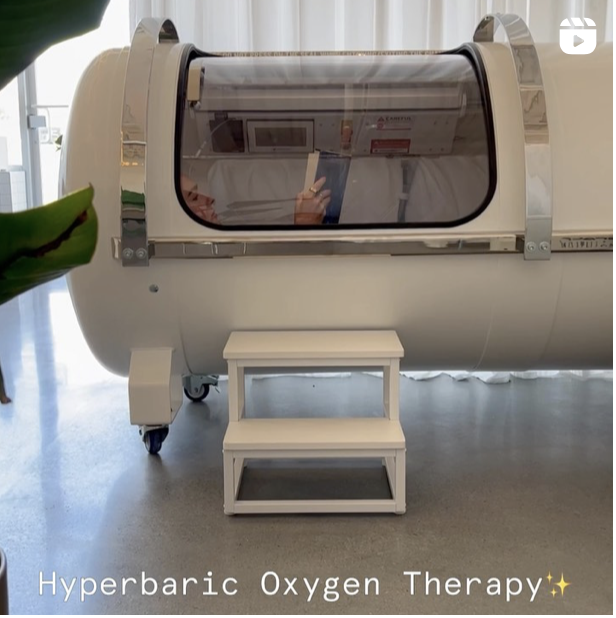
| HBOT | Explore a pressurized oxygen environment as part of a wellness plan. | More enclosed and environment-specific than a standard open-room session. | Focus on comfort with the chamber setting, the intended experience, and provider guidance. |
| Cryotherapy | Choose a short, cold-exposure-centered recovery experience. | Distinctly intense and temperature-driven, with a very different sensory profile. | Decide whether cold exposure matches your preferences, tolerance, and current routine. |
These categories describe decision points, not promises of outcomes. If you are comparing options, start with your practical priority: a low-impact technology session, a pressure-based environment, or a cold-exposure experience. ETHR LAB’s recovery therapy combinations can help you compare related modalities, while a qualified provider can help you decide what is appropriate for your individual circumstances.
NanoVi at ETHR LAB: What to Expect
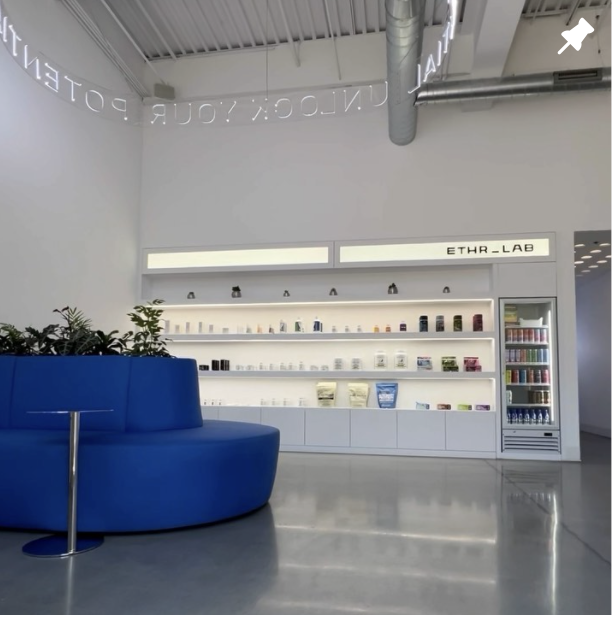
A first visit should feel informative, focused, and easy to understand. ETHR LAB in Oakbrook Terrace presents NanoVi as part of a broader whole-body wellness offering centered on recovery, recharge, performance, and proactive well-being. You do not need to arrive with a technical background or a perfectly defined plan. The most useful starting point is an honest conversation about what brought you in and what you want to learn.
The exact experience can depend on current service details and staff guidance. Use the visit to ask questions, understand the process, and decide whether this approach fits your personal wellness routine. A realistic flow may look like this:
- Clarify your goals. Begin by sharing what you are hoping to explore. Your focus might be recovery after demanding training, a desire to recharge, or general interest in advanced wellness technology. Keeping the conversation goal-based helps staff explain the service in a way that is relevant to you, without turning a wellness visit into a diagnosis.
- Review the current service details. Ask what the experience involves, how staff will guide you, and what information is current for the location. Service descriptions can change, so it is better to confirm details directly than rely on a third-party summary or an assumption about how NanoVi works. You can review NanoVi oxidative stress therapy at ETHR LAB before your visit and bring any questions it raises.
- Experience the session as directed by staff. Follow the instructions provided by the ETHR LAB team and speak up if anything is unclear or uncomfortable. The goal is not to force an experience or promise a particular result. It is to understand how this wellness service fits into your broader approach to recovery and well-being.
- Decide on next steps. Afterward, consider what you learned and whether the service aligns with your goals, schedule, and preferences. Ask about reasonable ways to think about future visits or how NanoVi may sit alongside other wellness options. You are allowed to take time, compare information, and make a decision that feels informed rather than rushed.
Questions are part of the process. If you are unsure about whether a service is appropriate for your circumstances, discuss that directly with the ETHR LAB team and seek advice from your qualified healthcare professional when needed.
Explore NanoVi oxidative stress therapy at ETHR LAB.
Frequently Asked Questions
What is oxidative stress?
Oxidative stress describes an imbalance between free radicals and antioxidants in the body. Free radicals are a normal byproduct of turning food into energy and also support important body processes, so they are not automatically harmful. When antioxidant protection cannot keep up, excess free radicals may damage cell components such as lipids and proteins. Cleveland Clinic explains the balance in more detail.
What are some examples of oxidative stress in humans?
Oxidative stress is not a single sensation or diagnosis that you can reliably identify at home. It is a biological process influenced by factors such as normal metabolism, cigarette smoke, and environmental irritants. Nutrition is one part of the broader picture: antioxidant-rich foods, including fruits, vegetables, whole grains, nuts, and seeds, may help support the body’s protective systems. This article is educational and cannot determine what is happening in your body.
What are the potential benefits of NanoVi therapy?
NanoVi is presented as a wellness technology that may fit goals such as recovery, recharge, performance support, and proactive well-being. Those are wellness aims, not promises to treat or cure a condition. Research on oxidative stress is complex, and the presence of an oxidative process does not automatically show that a specific service will produce a particular outcome. Consider NanoVi as one possible part of a broader routine that can also include sleep, movement, nutrition, and guidance appropriate to your needs.
How much does NanoVi cost?
NanoVi pricing can vary by provider, current offers, and the service format. ETHR LAB’s current service information is the best place to review availability and booking details rather than relying on an outdated third-party figure. Visit the NanoVi oxidative stress therapy service page for current information and online booking options.
Ready to Explore NanoVi?
If you are curious about how NanoVi oxidative stress therapy may fit into your recovery and wellness routine, ETHR LAB can help you take the next step with clear, practical information. Explore the current service details and choose the option that fits your goals.