What Is Biohacking? A Beginner’s Guide
What is biohacking? Biohacking is the practice of making intentional, informed changes to your lifestyle, environment, or wellness routine to support how you feel, perform, and recover. It can be as practical as improving your sleep schedule or tracking your response to exercise, and it can also include guided wellness technologies. The goal is not to chase a miracle shortcut. It is to learn what supports your body, use sensible feedback, and build habits you can sustain.
Explore ETHR LAB’s wellness services and book online
For a deeper local look at longevity, recovery, and cellular optimization, read ETHR LAB’s biohacking wellness center guide. This beginner article covers the definition, the main categories, the difference between do-it-yourself habits and a wellness-center experience, and a responsible way to choose your starting point.
What Is Biohacking?
Biohacking is a broad approach to optimizing health, performance, or longevity through deliberate changes to your habits, surroundings, measurements, and sometimes your biology. The word does not describe one treatment. It describes a mindset: make a thoughtful change, observe how you respond, and adjust instead of assuming that the most intense option is the best one.
The term is used for a wide range of activities, from maintaining a consistent sleep and wake schedule to using a wearable, testing a new nutrition routine, or exploring a recovery technology. Those activities do not have identical evidence, risks, or goals. A beginner should separate low-risk foundational habits from experimental practices that require professional guidance or may not be appropriate at all.
Cleveland Clinic describes biohacking as intentional changes to lifestyle, environment, or the body that aim to maximize health, performance, and longevity. Its overview also emphasizes that the category ranges from familiar habits to experimental approaches with different levels of evidence and safety. That range is why a critical, personalized approach matters. Read Cleveland Clinic’s overview of biohacking.
What Are the Most Common Biohacking Techniques?
The most common biohacking techniques fall into a few practical groups: lifestyle habits, measurement and feedback, nutrition strategies, and guided wellness technologies. These categories overlap, but thinking in groups helps you start with a clear goal rather than collecting random gadgets or protocols.
- Sleep and circadian habits: Keep a regular sleep and wake rhythm, create a dark and comfortable sleep environment, and notice how sleep affects energy and focus.
- Movement and recovery: Build consistent resistance training, walking, mobility, or cardiovascular activity around your current ability and recovery needs.
- Nutrition routines: Focus on balanced meals, hydration, and a pattern you can follow. Restrictive plans and supplements deserve extra caution, especially when they interact with medicines or health conditions.
- Stress regulation: Use breathing, time outdoors, meditation, or other practical tools that help you manage the demands of your day.
- Tracking and measurement: Use a journal, wearable, or approved body-composition assessment to compare trends over time instead of reacting to one isolated number.
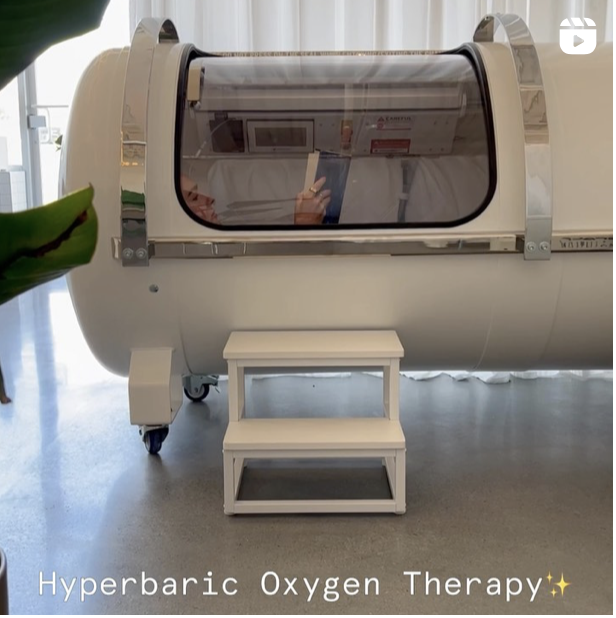
- Technology-supported wellness: Explore services such as Hyperbaric Oxygen Therapy, PEMF Therapy, cryotherapy, IV Therapy, or NAD+ support when they fit your goals and you have received appropriate guidance.
The useful question is not, “Which hack is the most advanced?” It is, “Which change is relevant to my goal, realistic for my routine, and supported by enough evidence to justify trying it?” If you cannot explain what you are testing or how you will evaluate it, the plan is probably too vague.
Compare ETHR LAB services before choosing your first biohack
Foundational habits are still biohacking
Biohacking can sound high-tech, but the strongest starting point is often basic. Sleep, movement, food quality, hydration, stress management, and social connection influence how people experience their days. They also create the baseline that makes any later experiment easier to understand. Changing five variables at once makes it difficult to know what helped, what did not, and what created an unwanted response.
Try a single, measurable adjustment for a defined period. For example, you might set a consistent wake time, record afternoon energy, and review the pattern after several weeks. That is less flashy than buying a new device, but it gives you more useful information.
Measurement can improve the conversation
Data can help you ask better questions, but it does not automatically provide a diagnosis. Wearables, sleep logs, heart-rate trends, and body-composition scans all have limitations. A number should be interpreted in context, not used to label a condition or replace care from a qualified healthcare professional.
At ETHR LAB, measurement-oriented services such as Styku 3D Body Scanning can be part of a broader wellness conversation. The practical value is establishing a baseline and discussing trends, not promising that one scan explains everything about your health.
Designing a measurable biohacking experiment
A beginner-friendly experiment starts with a question, not a product. Decide what you want to understand, such as whether a more consistent wake time helps your afternoon energy or whether a recovery routine fits your schedule. Keep the question specific enough to observe, but do not frame a wellness experiment as a way to diagnose, treat, or cure a condition. A qualified healthcare professional should handle medical concerns.
Write down a simple baseline before changing anything. For several ordinary days, note the same few measures at roughly the same times: sleep and wake times, a short energy rating, planned activity, and anything unusual that could affect the result. Use a notebook or a familiar app. The goal is a consistent record, not perfect data or a new source of anxiety. Choose measures you can realistically repeat.
Change one variable at a time and choose a reasonable review window. That might mean keeping your normal routine while adding one gentle habit, or evaluating one guided wellness service according to its stated purpose and provider instructions. Do not stack supplements, devices, restrictive diets, and treatments together, because you will not know what influenced your experience. Ask about screening, contraindications, medication interactions, pregnancy, and when to seek medical advice before trying a service or intervention.
At the end of the review period, compare the pattern with your baseline rather than focusing on one unusually good or bad day. Ask: Did the change match my original goal? Was it practical to repeat? Did I notice unwanted effects or added stress? If the answer is unclear, stop or simplify the experiment instead of escalating it. Keep what is useful, document what you learned, and discuss persistent symptoms or concerning changes with a healthcare professional. This approach makes biohacking a measured learning process, not a race to try the most advanced option.
Biohacking at a Wellness Center vs. DIY Biohacking
DIY biohacking means experimenting with habits, devices, supplements, or protocols on your own. A wellness-center experience can add a structured setting, clearer service information, equipment guidance, and a chance to discuss whether an option fits your goals. Neither approach makes a person immune to risk, and neither should be confused with diagnosis or treatment from a medical professional.
| Consideration | DIY approach | Guided wellness approach |
|---|---|---|
| Starting point | Self-selected habit, product, or device | Goal-based conversation and service selection |
| Feedback | Personal notes, apps, or wearable data | Session observations plus your own tracking |
| Safety questions | You must research interactions and limitations | Ask about screening, contraindications, and appropriate use |
| Best use | Simple, low-risk habits you can monitor | Learning about available technologies and building a consistent routine |
A responsible provider should explain what a service is designed to do, what it is not designed to do, and who should avoid it or get medical clearance first. Be cautious of any program that guarantees a cure, promises the same result for everyone, or treats a dramatic claim as proof.
ETHR LAB positions its wellness experience as regenerative and cutting-edge rather than a conventional clinic visit. The environment is intended to be modern, energetic, and approachable. That does not remove the need for personal responsibility. Ask questions, share relevant health information, follow preparation instructions, and speak with your healthcare professional when a service may affect a condition, medication, pregnancy, or medical device.
For a closer look at the service mix, visit the ETHR LAB services page. For recovery-focused options, you can also review Hyperbaric Oxygen Therapy in Oakbrook and PEMF Therapy in Oakbrook.
Who Biohacks and Why?
People biohack for different reasons, so a useful plan begins with the person rather than the trend. Someone training for an event may care about recovery and routine consistency. Someone with a demanding schedule may want to improve sleep habits and energy management. Another person may be curious about body composition, longevity, or how guided wellness services fit into a broader self-care plan.
- Performance-minded adults may want a more deliberate recovery routine around training or travel.
- Busy professionals may use tracking to identify patterns in sleep, energy, movement, and stress.
- Longevity-focused adults may prefer gradual, sustainable changes over extreme protocols.
- Wellness beginners may want an approachable introduction to services they have seen online but do not yet understand.
- Aesthetic and wellness clients may appreciate an environment that connects confidence, skin health, recovery, and whole-body wellbeing without reducing the experience to a single category.
The best reason to biohack is not fear of aging or pressure to optimize every moment. It is curiosity paired with realistic expectations. Your routine should make your life more functional, not turn every meal, sleep score, or workout into another source of stress.
How Can You Start Biohacking at ETHR LAB in Oakbrook Terrace?
Starting biohacking at ETHR LAB can be as simple as choosing one goal, learning what service categories are available, and booking an experience that matches your current needs. Oakbrook Terrace is convenient for people in the western Chicago suburbs, including Oak Brook, Lombard, Naperville, Downers Grove, Elmhurst, and nearby communities.
- Name the goal: Choose one focus such as recovery, energy, performance, body-composition awareness, or building a more consistent wellness routine.
- Start with education: Read the service description and note what the experience is intended to support. Avoid choosing based only on a dramatic social-media claim.
- Ask safety questions: Confirm whether screening, medical clearance, medication review, or other precautions apply to you.
- Choose one meaningful first step: A single session or foundational habit gives you a clearer baseline than stacking several new interventions at once.
- Track your experience: Record how you felt before and after, what changed in your routine, and whether the option is practical enough to repeat.
- Review and refine: Keep what supports your goals, adjust what does not, and bring medical concerns to your healthcare professional.
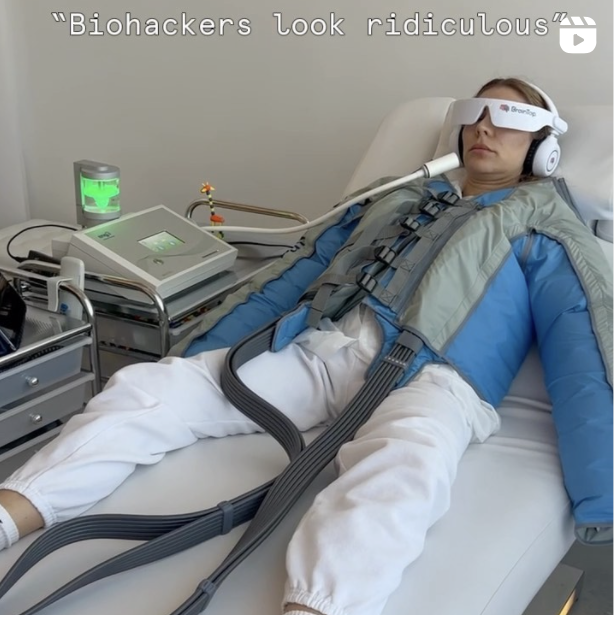
ETHR LAB offers wellness services including Hyperbaric Oxygen Therapy, Cryotherapy, IV Therapy, Vitamin Injections, NAD+ Therapy, Ballancer Pro Compression, PEMF Therapy, BrainTap, NanoVi, Styku 3D Body Scanning, GLP weight-loss support, and peptide therapy, alongside its Beyond the Medspa aesthetics services. Availability, suitability, and required guidance can vary by service. Use the website’s current service information and online booking flow rather than assuming every option is right for every person.
A beginner-friendly plan should feel clear, not overwhelming. Start with the service or habit that best matches your stated goal, keep the rest of the variables steady, and give yourself enough time to judge the experience fairly. Biohacking works best as an ongoing practice of informed choices, not as a competition to try the most extreme intervention.
Before booking, you can also explore ETHR LAB’s VIP Programs in Oakbrook and compare the current options available through the self-service booking experience.
Explore biohacking and recovery services at ETHR LAB
Frequently Asked Questions About Biohacking
Is biohacking the same as wellness?
Biohacking and wellness overlap, but they are not identical. Wellness is the broader practice of supporting wellbeing through habits, care, environment, and community. Biohacking usually adds an intentional testing or optimization mindset. Both should be approached with realistic expectations and attention to safety.
Is biohacking safe for beginners?
Some beginner practices, such as improving sleep consistency, moving regularly, and keeping a simple wellness log, are generally lower risk for many adults. Other practices, supplements, restrictive diets, devices, or interventions may carry meaningful risks. Research the option, disclose relevant health information, and ask a qualified professional when you have a medical question.
Can biohacking cure a health condition?
Biohacking should not be presented as a cure or a replacement for diagnosis and medical care. Wellness services may support a personal routine, but they cannot guarantee a result or determine what is causing a symptom. Contact a qualified healthcare professional for diagnosis, treatment, medication, or urgent concerns.
Do I need expensive technology to biohack?
No. Biohacking can begin with low-cost changes such as a regular sleep schedule, consistent movement, better hydration, and tracking how you feel. Technology can add measurement or structure, but a device is only useful when it helps you make a clearer decision and does not create unnecessary anxiety.
How do I choose a biohacking service?
Start with your goal, then ask what the service is designed to support, what the evidence and limitations are, what screening applies, and what a first session involves. Choose a provider that answers plainly and avoids guarantees. At ETHR LAB, review the current service descriptions and use the online booking path to select an option that fits your interests.
What is the safest way to start biohacking?
The safest starting point is usually a gradual, measurable change that fits your current routine. Establish a baseline, change one variable at a time, watch your response, and stop if you experience concerning symptoms. For technology-supported services, ask about eligibility and precautions before booking, and involve your healthcare professional when appropriate.